
The most important question in branded residential real estate is no longer whose name is on the building. It is what that name does for the owner once the residence is purchased.
For seasonal and international buyers, that distinction matters. A Miami residence may serve as a winter home, a family gathering place, a long-term investment, or a base between cities. The owner may arrive often, occasionally, or only when business, family, or the season brings them back. In every case, the residence must feel ready, cared for, and supported. The value of the brand is measured in confidence.
That is where Kempinski Residences Miami Design District changes the branded residence conversation in Miami. As Kempinski introduces its first branded residential project in the United States, the project brings more than name recognition to one of Miami’s most culturally influential neighborhoods. It brings a hospitality philosophy shaped over more than 150 years, a global service culture, and a point of view on ownership that feels especially relevant for buyers who live across markets and expect their residences to keep pace with the way they move.
The Next Question in Branded Residences
Miami has become one of the world’s most active markets for branded residences. Hospitality names, fashion houses, automotive brands, design labels, and lifestyle companies have all entered the conversation, giving buyers more choice and more ways to align a residence with personal identity.
That abundance has made the category more sophisticated. A brand can still create recognition, but recognition alone is not enough. Buyers are asking sharper questions. How will the property be managed? What standards guide the service culture? How does the building support owners who are away for extended periods? What experience will guests, family members, and residents encounter every day?
For buyers comparing opportunities across Miami, the strongest branded residences are the ones that move beyond association and into operation. They offer a living environment where service, design, amenities, management, and long-term care work together. Kempinski’s arrival in Miami matters because it answers that question through hospitality rather than image.
Why Kempinski Matters Here
Founded in Europe more than 150 years ago, Kempinski has built its reputation around international hospitality, discretion, service, and a sense of place. Its presence across Europe, the Middle East, Asia, and other global destinations gives the brand immediate relevance for buyers who move comfortably between Miami, New York, Latin America, Europe, the Middle East, and the Caribbean.
Kempinski Residences Miami Design District brings that perspective into a residential setting at a moment when the branded residence category is maturing. The project is not simply applying a global hospitality name to a Miami address. It is introducing a more service-led idea of ownership to a city where many buyers want the benefits of a private residence without sacrificing the attentiveness and continuity they associate with the best hotels. That distinction is central to the project’s positioning.
“Miami has become one of the world’s most important markets for globally minded buyers, and the Miami Design District™ gives Kempinski a setting that reflects the brand’s international character,” said Joseph DaGrosa, Jr., Chairman and Founder of DaGrosa Capital Development Partners. “Our vision is to create a residential experience where hospitality is not an add-on, but part of the ownership experience itself, bringing owners confidence, service, and a sense of connection whether they are in residence every day or arriving from elsewhere in the world.”
Kempinski’s broader residential momentum reinforces the timing. Recent activity at Kempinski Grace Bay in Turks and Caicos signals the brand’s continued expansion in resort and residential environments, but Miami carries a different weight: it introduces Kempinski Residences to the U.S. market through a neighborhood known for design, culture, fashion, art, architecture, and global influence.
Built for Owners Who Live Globally
The seasonal owner has a different relationship with home. The residence must be private, personal, and ready, but it must also be supported by a service culture that understands absence as well as arrival.
That is why hospitality-led living has become more important. For a full-time resident, service may shape daily comfort. For a seasonal or international owner, it also shapes trust. The owner wants to know that the building, the staff, the guest experience, the amenities, and the pace of arrival and departure are handled with care.
At Kempinski Residences Miami Design District, that stewardship is part of the residential promise. The project is designed for owners who may live in Miami year-round, spend part of the year in South Florida, or maintain Miami as one address within a larger international lifestyle. That flexibility is visible in the program itself.
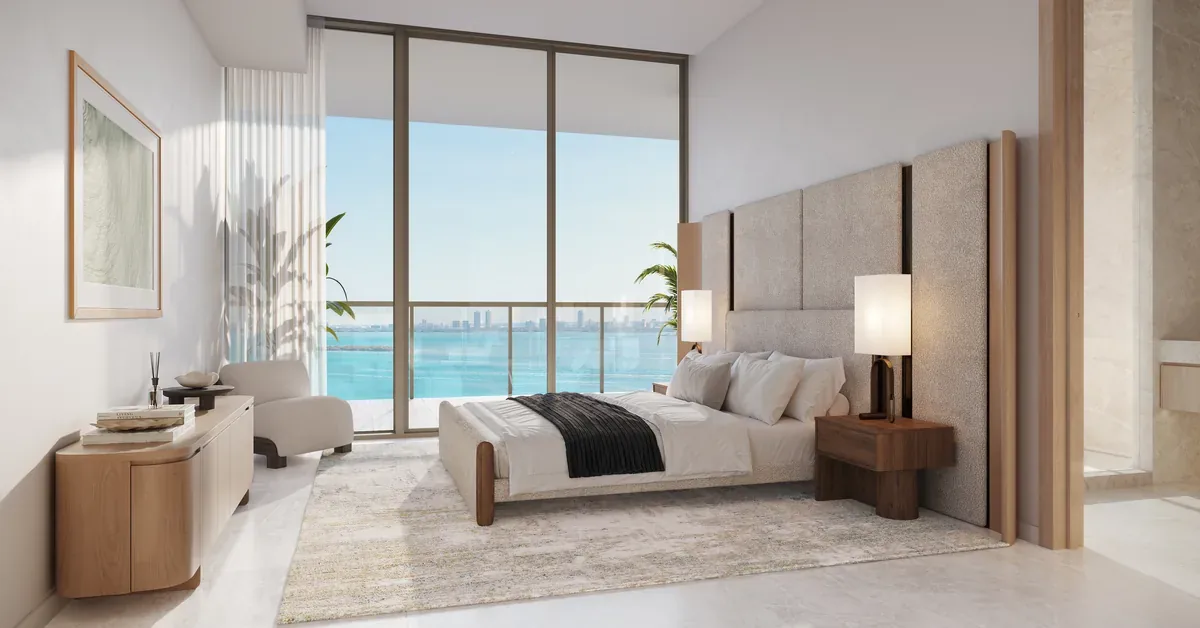
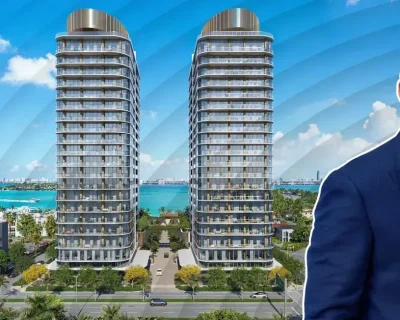
The residential offering includes two towers with 64 residences per tower, along with six private townhomes and 22 private guest suites. Residences range from two- to four-bedroom floor plans, many with den configurations, creating options for owners who need space for family, work, visiting guests, and longer stays.
Those guest suites are especially important. For globally connected owners, hospitality is not only about the owner’s arrival. It is also about how family, friends, and guests are welcomed. A residence that supports hosting without compromising privacy becomes more useful, more flexible, and more aligned with the realities of international ownership.
Amenities That Work as an Ownership Ecosystem
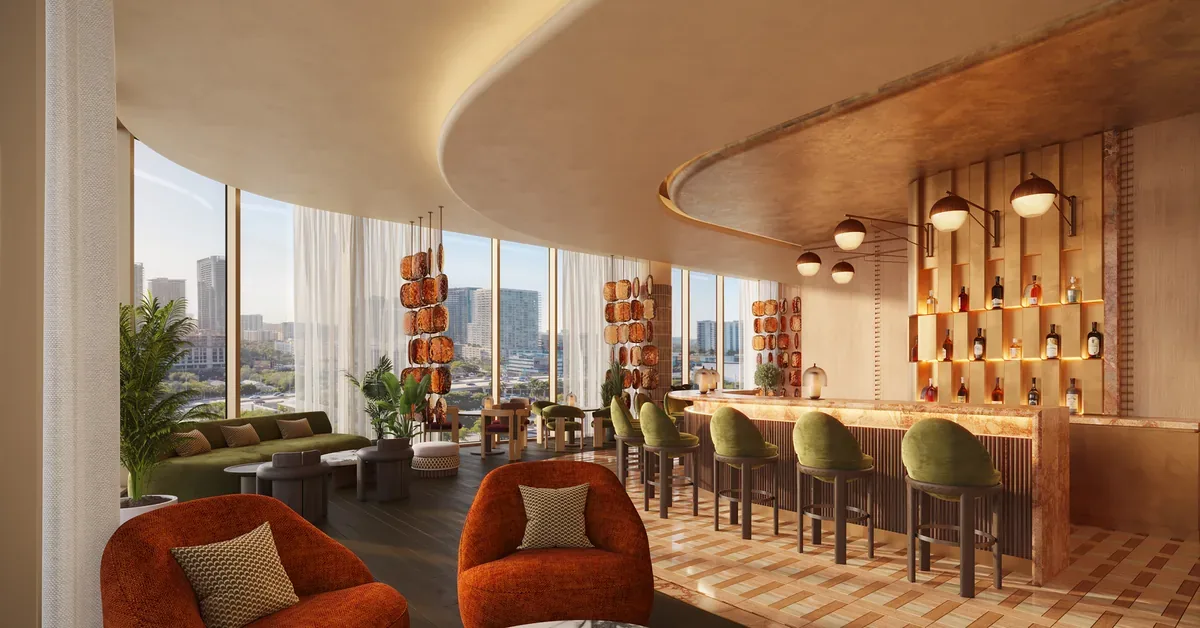
In many residential developments, amenities are presented as a list. At Kempinski Residences Miami Design District, they are better understood as part of the ownership ecosystem.
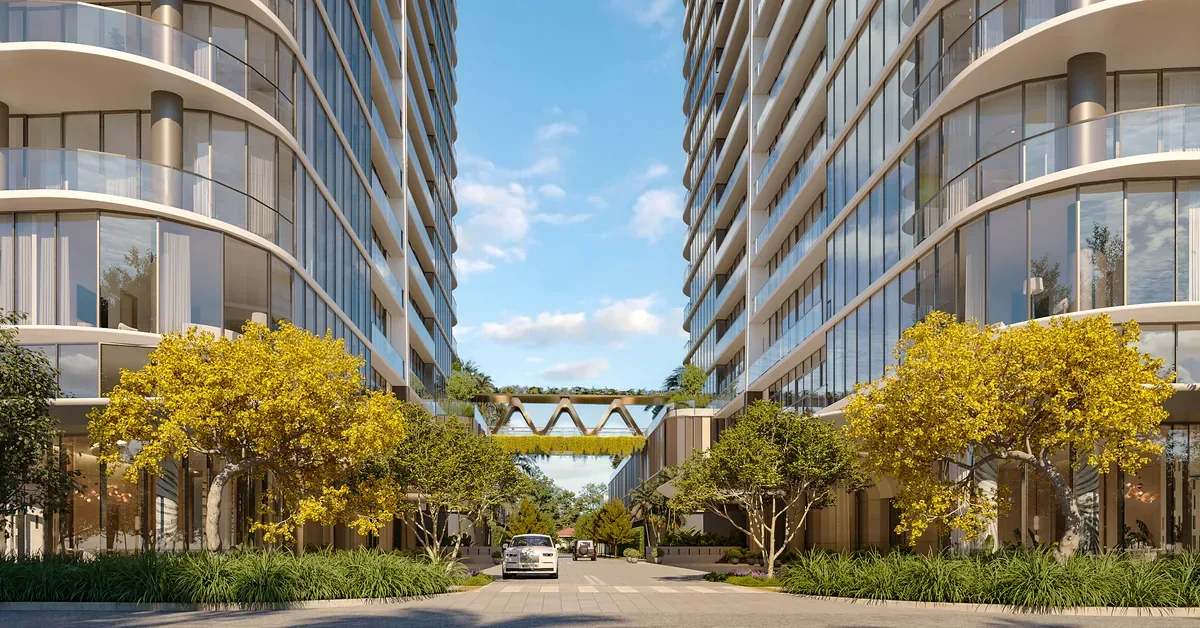
The project features 70,000 square feet of amenities distributed across the North and South Towers, connected by a signature fourth-floor amenity bridge. That scale gives the property room to support wellness, social connection, daily convenience, and hospitality-driven living without asking owners to leave the residential environment for every experience.
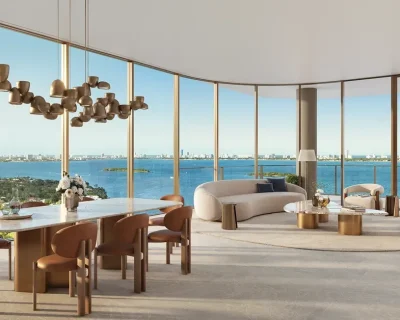
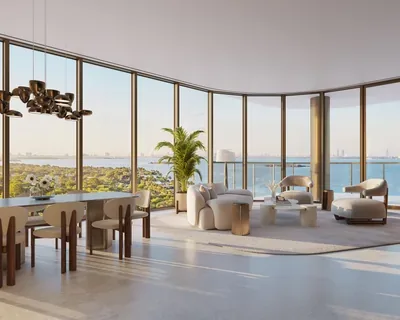
For seasonal owners, that matters. Time in Miami is often highly intentional. The residence must make arrival feel effortless and time on property feel complete. Wellness offerings, social environments, gathering spaces, guest accommodations, and service touchpoints all contribute to the sense that the property has been designed around how owners actually live.
The result is a residence that functions beyond the private home. It becomes a setting for restoration, entertaining, working remotely, hosting family, and reconnecting with Miami.
Why the Miami Design District™ Strengthens the Story
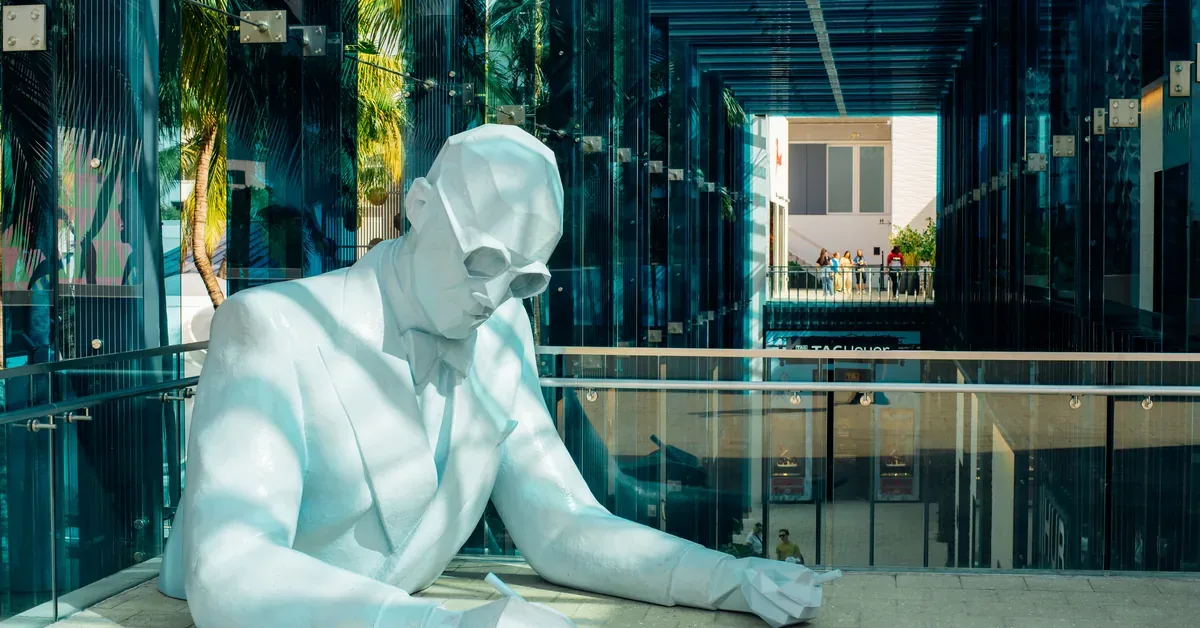
The Miami Design District™ gives Kempinski a setting that matches the brand’s global point of view.
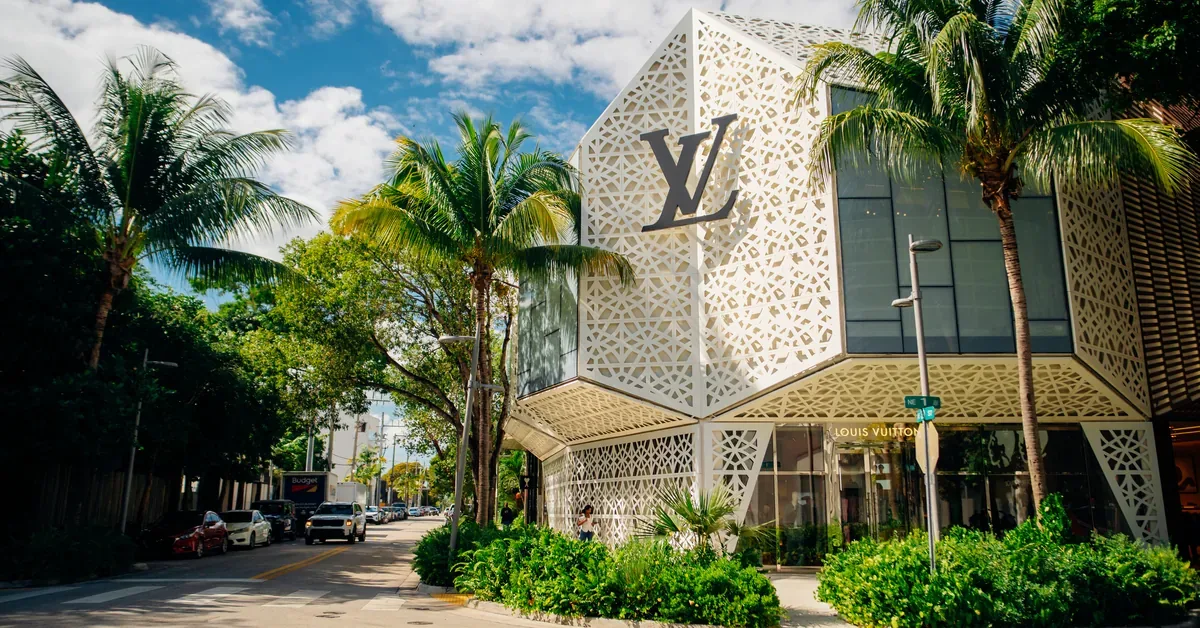
The neighborhood is already recognized for fashion, design, architecture, dining, art, public installations, and cultural influence. Its next chapter is residential. For owners, that means daily access to a district many people travel to visit: galleries, restaurants, boutiques, showrooms, creative offices, and design-forward public spaces become part of the experience of home.
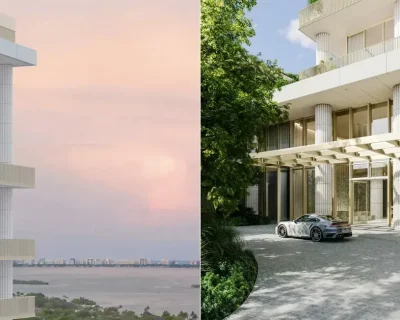
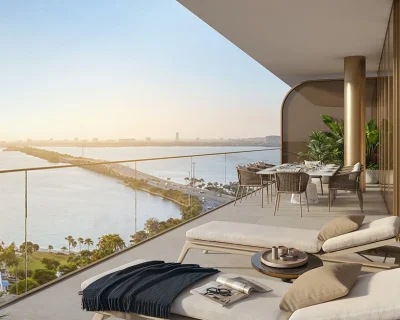
Kempinski Residences also brings Biscayne Bay perspective into that urban setting. The combination is powerful because it gives owners both cultural connection and visual openness. The Miami Design District™ provides energy, relevance, and access. Biscayne Bay adds calm, horizon, and a distinctly Miami sense of place.
That balance separates the project from more familiar Miami residential categories. It is not only a waterfront story, not only a branded residence story, and not only a Miami Design District™ story. It is the convergence of all three, shaped by a hospitality platform with international credibility.
Confidence in the Team Behind the Vision
A branded residence succeeds only when the full team can deliver the experience promised by the name.
Kempinski Residences Miami Design District is developed by DaGrosa Capital Development Partners, with sales and marketing led by ISG World . Arquitectonica serves as the architectural designer, bringing deep influence in Miami’s modern architectural identity. Rockwell Group leads interior design, adding experience in hospitality, residential, and experiential environments. ENEA provides landscape architecture, shaping the relationship between nature, wellness, arrival, and retreat.
Together, the team supports the project’s central promise: a residential experience where culture, hospitality, design, service, and Biscayne Bay perspective come together in one of Miami’s most relevant emerging residential settings. For buyers, that team matters because confidence is built through execution. The brand creates expectation. The development, design, sales, service, and management ecosystem must give that expectation form.
A More Meaningful Kind of Branded Ownership
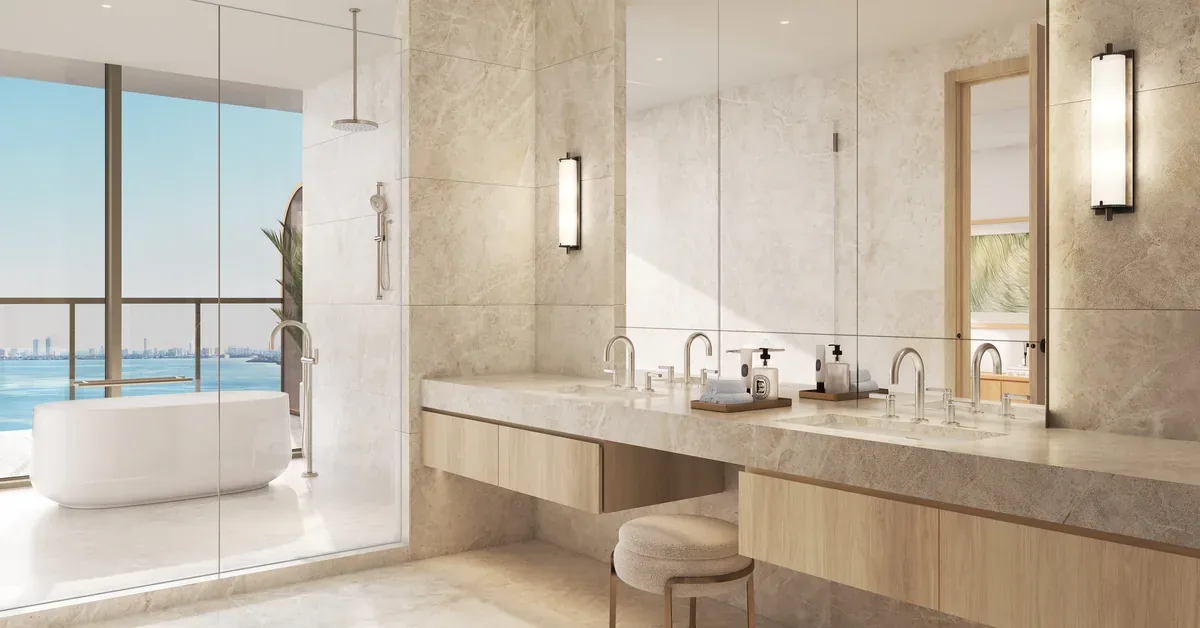
Kempinski Residences Miami Design District arrives as buyers are asking more from branded residences. They want more than prestige. They want a residence that feels connected to place, supported by service, and considered over time.
For seasonal and international owners, that is the real value of hospitality-led living. It creates confidence before arrival, comfort during the stay, and continuity after departure. It helps a Miami residence feel less like a property to manage and more like a home that is ready to receive them.
To explore how the ownership experience comes together, continue through the amenities and services pages at KempinskiDesignDistrict.com. For a private appointment or additional information, inquiries may be made through KempinskiDesignDistrict.com or at the sales gallery, located at 455 NE 38th Street, Miami, FL 33137.