
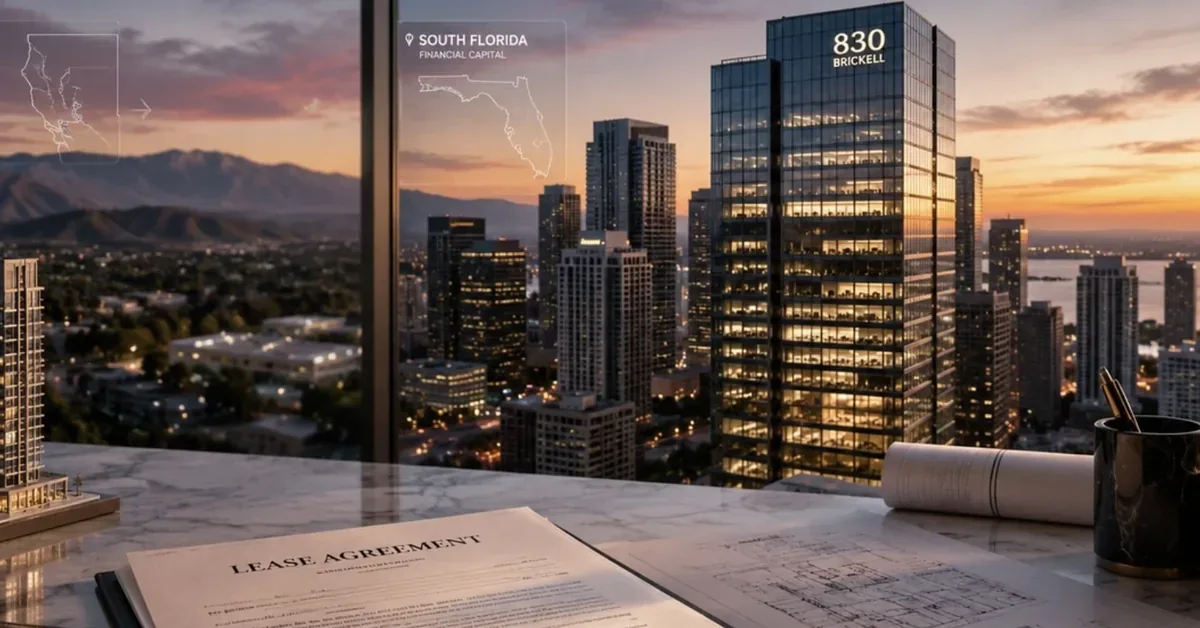
Peter Thiel has set a new benchmark for Miami office rents, signing a lease for his family office at 830 Brickell at approximately $250 per square foot. Briefs Finance reported that the rate represents a local record and another marker of the capital, companies and executives continuing to establish a larger presence in South Florida.
The contrast with Miami’s pre-pandemic office market is pronounced. Joe DaGrosa, founder and chair of DaGrosa Capital Partners, told Fox News Digital that prime Brickell office rents once commonly ranged from roughly $40 to $60 per square foot. Thiel’s lease, he argued, demonstrates how quickly the region’s commercial landscape has changed and how that shift can extend into housing demand as teams relocate alongside company leaders.
Tere Blanca, founder, chair and CEO of Blanca Commercial Real Estate, described the broader South Florida market as “on fire.” She pointed to the arrival of prominent technology and investment figures, including Larry Page, Sergey Brin and Thiel, as part of a longer migration pattern that can deepen once executives begin expanding their businesses locally.
Tax policy remains part of that conversation. California’s proposed billionaire wealth tax has sharpened attention on the financial differences between California and Florida. DaGrosa framed the decision as both quantitative and qualitative: lower state-level tax exposure matters, but so does whether executives believe they can maintain the lifestyle, business access and quality of life they value after relocating.
Blanca similarly cited corporate moves as signals to other states about Florida’s business environment. The migration is not limited to founders or family offices. DaGrosa expects employees to follow senior leadership over time, particularly as companies build permanent teams and offices in the region. That dynamic, he said, creates a direct connection between commercial leasing activity and demand for both owned and rented homes.
The numbers point to a broader structural shift. According to the Miami-Dade Beacon Council, technology employment across the county has grown by about 25 percent in recent years. Briefs Finance also noted that large potential liquidity events at companies such as SpaceX, OpenAI and Anthropic could further influence where founders, executives and investors choose to establish corporate and personal bases. The publication’s underlying technology migration reporting traces many of these moves to the same combination of capital formation, tax considerations and long-term business expansion.
For Miami’s residential market, the significance lies in what happens after a company signs a lease. New offices bring employees, partners, clients and service providers into the city, broadening demand beyond the traditional seasonal buyer. This commercial-to-residential relationship is increasingly relevant to neighborhoods that combine cultural access, design, dining and proximity to the city’s principal business corridors.
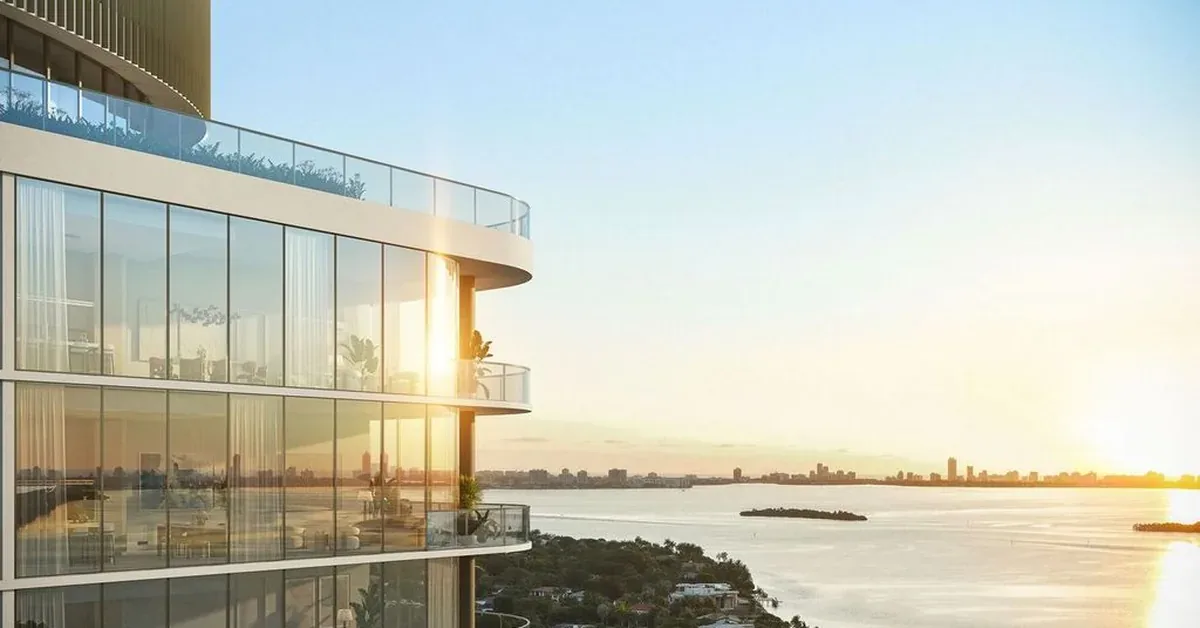
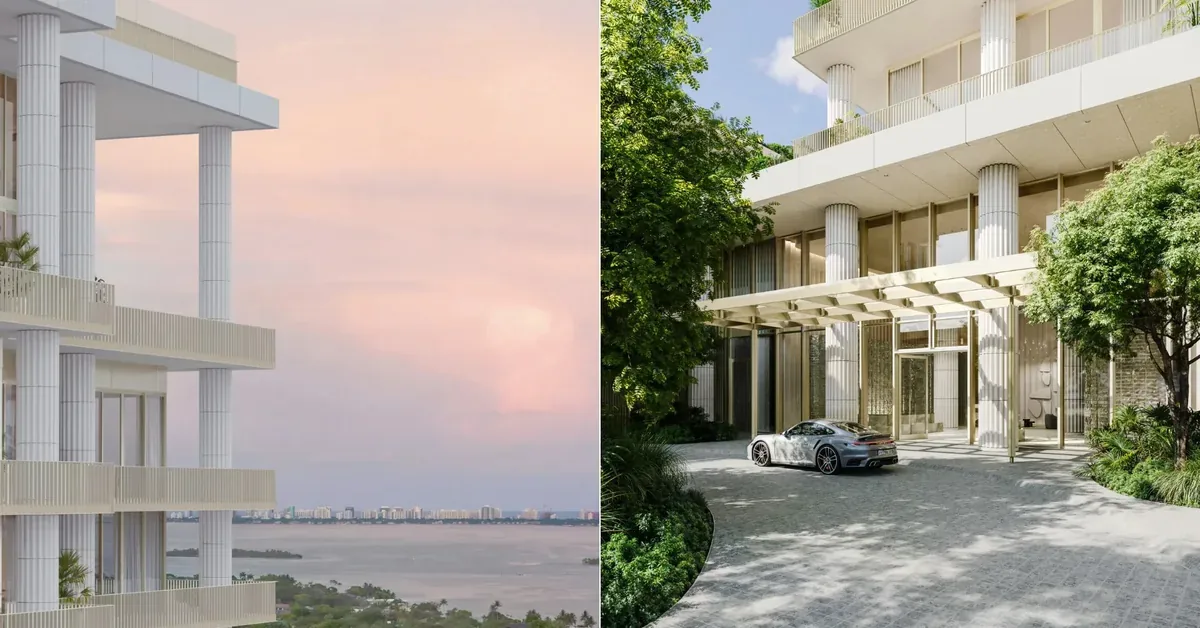
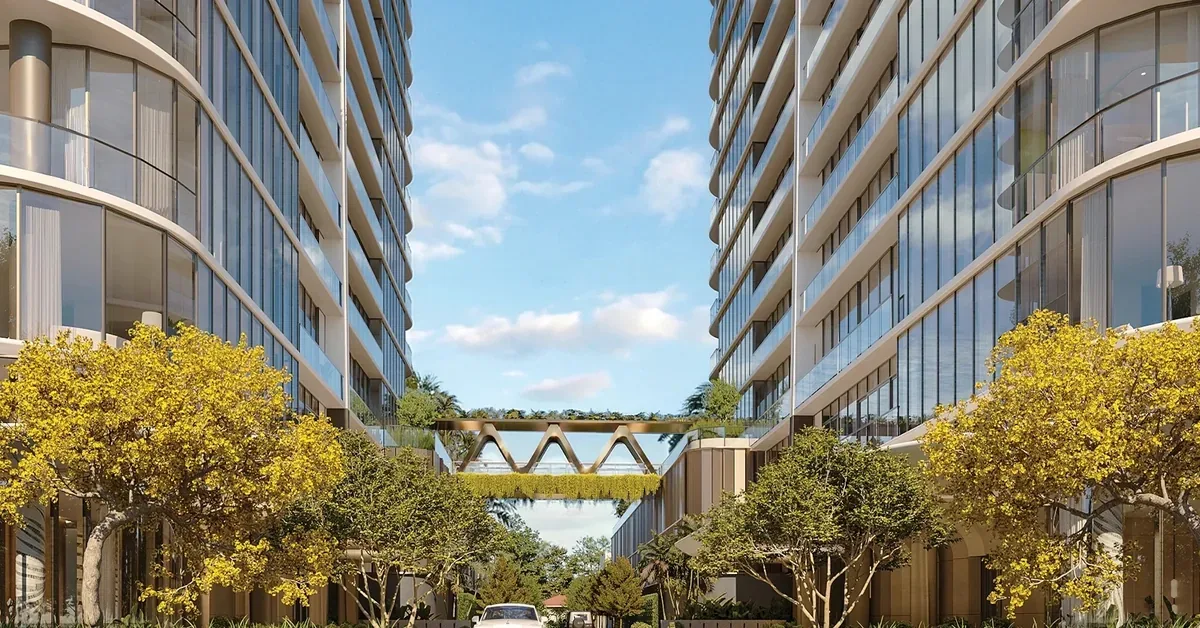
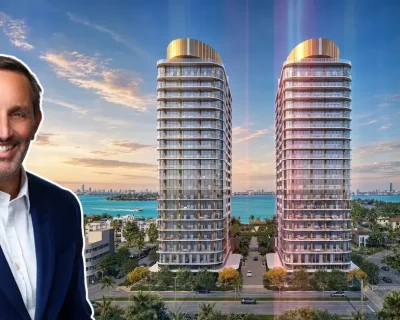
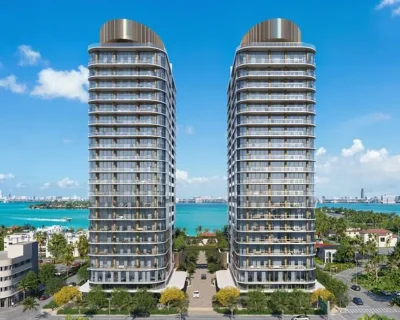
That context also informs the setting for Kempinski Residences Miami Design District, located at the gateway to The Miami Design District™ with expansive views toward Biscayne Bay. The development’s position reflects a Miami that is becoming more residentially and economically interconnected, with globally mobile owners increasingly seeking a home base that supports business, culture and hospitality within the same daily experience.
Blanca cautioned against treating Miami as a simple replacement for Silicon Valley. Instead, she described the city’s technology growth as part of a broader Sun Belt migration that began before the pandemic and continues to evolve. For DaGrosa, the influx of capital can ultimately support greater public and private investment across the region. Together, their comments frame Miami’s current growth less as a single-cycle phenomenon than as a continuing realignment of where companies, capital and people choose to operate.
Read the original article: Billionaire Thiel’s $250-Per-Square-Foot Rental Signals Miami’s Emergence as Tech Center